
IN THE NEWS
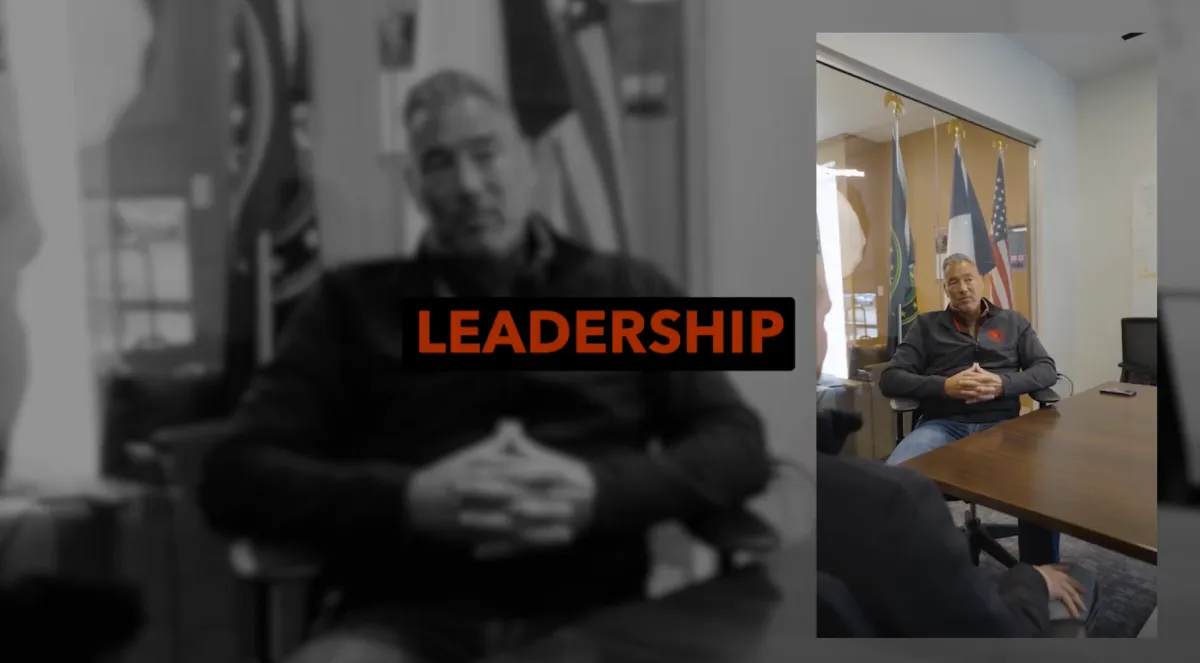
Leadership Starts with People, Not Just Performance
When people talk about leadership, the conversation usually centers around results. Performance. Metrics. Output. Wins. And while those things matter, they are not the full picture.
Real leadership starts somewhere deeper. It starts with people.
That is one of the clearest takeaways from this conversation on leadership and culture. The strongest leaders are not just focused on what someone can produce. They are paying attention to who that person is, what challenges they carry, how they are wired, and what they need in order to truly grow.
That shift changes everything.
Too often, leadership can become transactional. It turns into a checklist, a process, a spreadsheet, or a set of expectations with no room for the human side of the work. But leadership that forgets people eventually loses its impact. Systems matter. Structure matters. Accountability matters. But none of those things work well for long if they are disconnected from trust, respect, and real understanding.
That does not mean leadership becomes soft. It means leadership becomes intentional.
There is still firmness. There are still standards. There is still responsibility. But the approach changes. Instead of relying only on pressure, control, or constant correction, strong leaders learn how to coach in a way that actually motivates people. They stop assuming that louder means better. They stop thinking every problem can be solved by pushing harder. And they begin building a culture where people feel seen, challenged, and supported at the same time.
That is where performance becomes sustainable.
One of the most powerful ideas in this conversation is the reminder that sometimes the people we lead end up teaching us the most. Leadership is not a one-way exchange. It is not simply about giving direction and expecting compliance. The process of leading others often reveals our own blind spots, our habits, and the places where we still need to grow.
That kind of humility matters.
It reminds us that leadership is not about having all the answers. It is about being willing to learn, adjust, and lead better as the team grows. It is about knowing when to hold firm and when to let go. It is about understanding that motivation is not built by force, but by connection, clarity, and consistency.
If the goal is stronger teams, healthier culture, and better long-term performance, then leadership has to move beyond surface-level management. It has to become more human.
Because in the end, people do not thrive simply because they were told what to do. They thrive when they are led well.
And being led well starts with being understood, respected, and developed — not just evaluated.
That is the kind of leadership culture worth building.
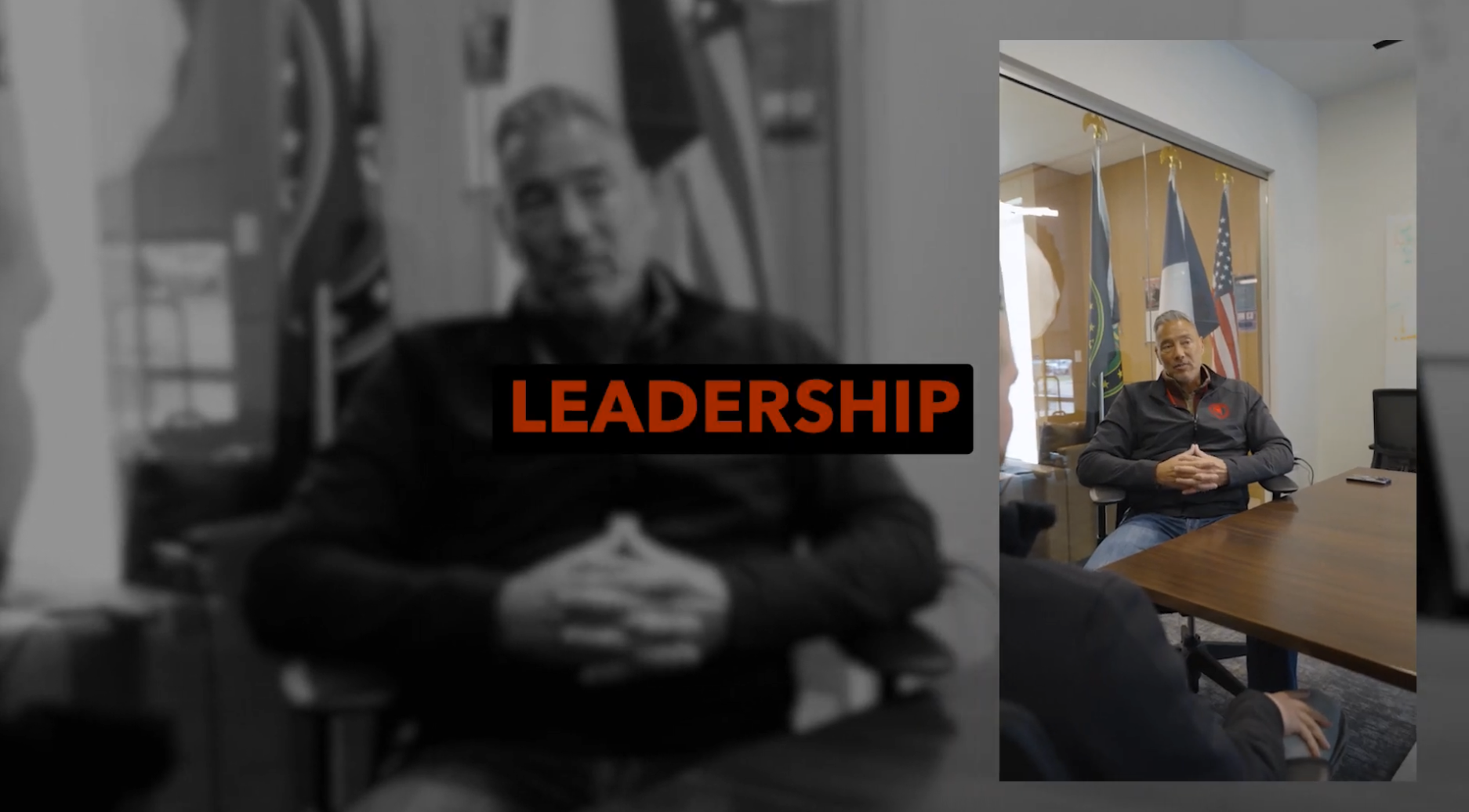
Leadership Starts with People, Not Just Performance
When people talk about leadership, the conversation usually centers around results. Performance. Metrics. Output. Wins. And while those things matter, they are not the full picture.
Real leadership starts somewhere deeper. It starts with people.
That is one of the clearest takeaways from this conversation on leadership and culture. The strongest leaders are not just focused on what someone can produce. They are paying attention to who that person is, what challenges they carry, how they are wired, and what they need in order to truly grow.
That shift changes everything.
Too often, leadership can become transactional. It turns into a checklist, a process, a spreadsheet, or a set of expectations with no room for the human side of the work. But leadership that forgets people eventually loses its impact. Systems matter. Structure matters. Accountability matters. But none of those things work well for long if they are disconnected from trust, respect, and real understanding.
That does not mean leadership becomes soft. It means leadership becomes intentional.
There is still firmness. There are still standards. There is still responsibility. But the approach changes. Instead of relying only on pressure, control, or constant correction, strong leaders learn how to coach in a way that actually motivates people. They stop assuming that louder means better. They stop thinking every problem can be solved by pushing harder. And they begin building a culture where people feel seen, challenged, and supported at the same time.
That is where performance becomes sustainable.
One of the most powerful ideas in this conversation is the reminder that sometimes the people we lead end up teaching us the most. Leadership is not a one-way exchange. It is not simply about giving direction and expecting compliance. The process of leading others often reveals our own blind spots, our habits, and the places where we still need to grow.
That kind of humility matters.
It reminds us that leadership is not about having all the answers. It is about being willing to learn, adjust, and lead better as the team grows. It is about knowing when to hold firm and when to let go. It is about understanding that motivation is not built by force, but by connection, clarity, and consistency.
If the goal is stronger teams, healthier culture, and better long-term performance, then leadership has to move beyond surface-level management. It has to become more human.
Because in the end, people do not thrive simply because they were told what to do. They thrive when they are led well.
And being led well starts with being understood, respected, and developed — not just evaluated.
That is the kind of leadership culture worth building.

JOIN THE SPARTAN FAMILY


SPARTAN CARRIER GROUP
9:00 AM-6:00 PM, M-F
9800 Hillwood Pkwy, Suite 100
Fort Worth, TX 76177








JOIN THE SPARTAN EMAIL LIST
SPARTAN CARRIER GROUP
9:00 AM-6:00 PM, M-F
9800 Hillwood Pkwy, Suite 100
Fort Worth, TX 76177


