
IN THE NEWS
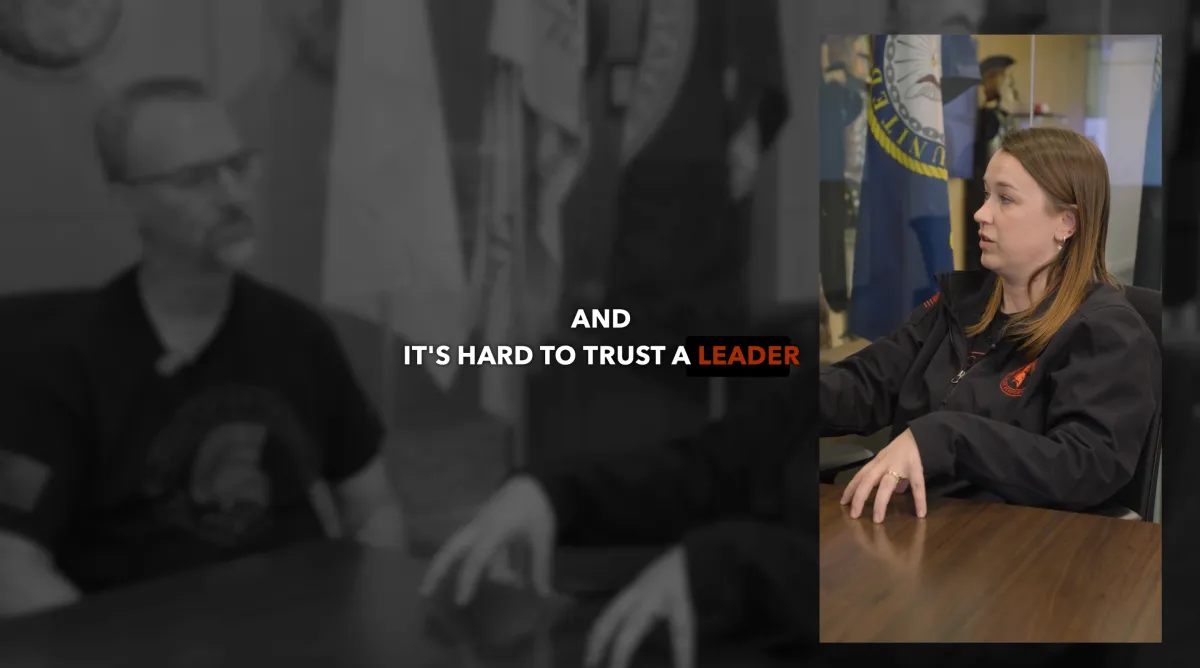
Why Great Culture Starts with Flexibility, Trust, and Growth
A healthy workplace culture is not built by accident. It is built in the everyday moments — in how people are treated, how leaders respond, and how much trust exists inside the team.
One of the biggest takeaways from this conversation is that strong culture is not just about getting the work done. It is about creating an environment where people can actually grow while doing it.
That means recognizing that people have lives outside of work. Responsibilities. Families. Real schedules. Real pressure. When a workplace makes room for that reality, it sends a clear message: people are not just workers filling a role. They matter.
That kind of flexibility does more than create goodwill. It builds trust.
And trust changes everything.
When people feel trusted, they tend to show up differently. They become more engaged. More confident. More willing to contribute. More open to growth. Instead of operating from stress alone, they begin operating from ownership. That is where culture starts to shift in a meaningful way.
But flexibility by itself is not enough. Strong culture also needs structure. It needs organization. It needs clarity. People thrive when they understand what is expected, where things are headed, and how their role fits into the bigger picture.
The goal is not chaos in the name of freedom. The goal is a culture that is both supportive and strong — one where people feel cared for, but also challenged to become better.
Another powerful idea in this conversation is simple but important: work can be fun.
Not shallow. Not forced. Not fake. Just healthy.
When the environment is right, work does not have to feel heavy all the time. Teams can laugh. Learn. Improve. Solve problems together. They can take pride in what they do and enjoy the people they do it with. That kind of culture is not a distraction from performance. It often becomes the reason performance gets better.
At the heart of it all is intention.
If leaders want better teams, they have to build better environments. Environments where trust is cultivated, growth is encouraged, and people feel like they can succeed without losing themselves in the process.
Because the best cultures are not only productive. They are human.
And that is what makes them last.

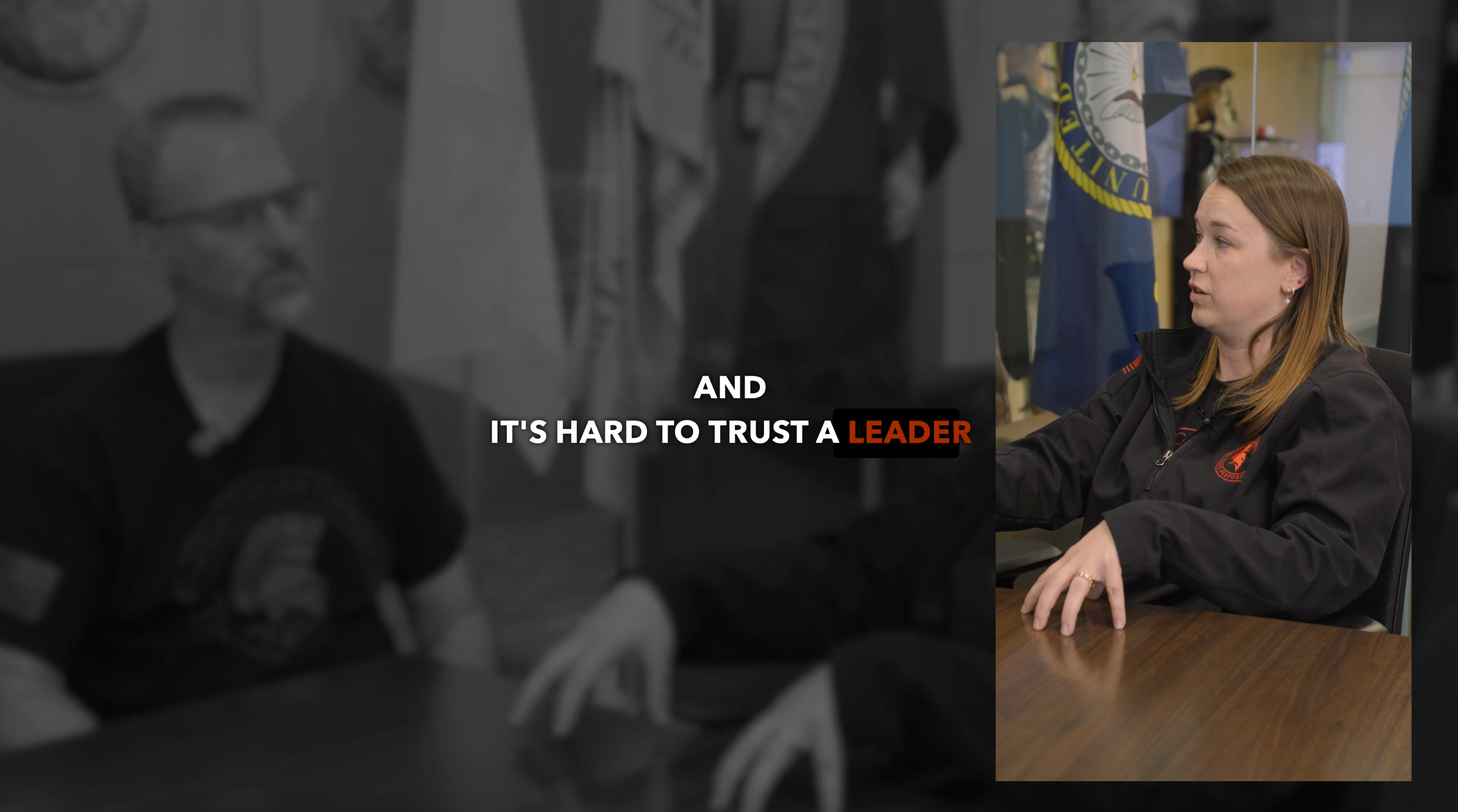
Why Great Culture Starts with Flexibility, Trust, and Growth
A healthy workplace culture is not built by accident. It is built in the everyday moments — in how people are treated, how leaders respond, and how much trust exists inside the team.
One of the biggest takeaways from this conversation is that strong culture is not just about getting the work done. It is about creating an environment where people can actually grow while doing it.
That means recognizing that people have lives outside of work. Responsibilities. Families. Real schedules. Real pressure. When a workplace makes room for that reality, it sends a clear message: people are not just workers filling a role. They matter.
That kind of flexibility does more than create goodwill. It builds trust.
And trust changes everything.
When people feel trusted, they tend to show up differently. They become more engaged. More confident. More willing to contribute. More open to growth. Instead of operating from stress alone, they begin operating from ownership. That is where culture starts to shift in a meaningful way.
But flexibility by itself is not enough. Strong culture also needs structure. It needs organization. It needs clarity. People thrive when they understand what is expected, where things are headed, and how their role fits into the bigger picture.
The goal is not chaos in the name of freedom. The goal is a culture that is both supportive and strong — one where people feel cared for, but also challenged to become better.
Another powerful idea in this conversation is simple but important: work can be fun.
Not shallow. Not forced. Not fake. Just healthy.
When the environment is right, work does not have to feel heavy all the time. Teams can laugh. Learn. Improve. Solve problems together. They can take pride in what they do and enjoy the people they do it with. That kind of culture is not a distraction from performance. It often becomes the reason performance gets better.
At the heart of it all is intention.
If leaders want better teams, they have to build better environments. Environments where trust is cultivated, growth is encouraged, and people feel like they can succeed without losing themselves in the process.
Because the best cultures are not only productive. They are human.
And that is what makes them last.

JOIN THE SPARTAN FAMILY


SPARTAN CARRIER GROUP
9:00 AM-6:00 PM, M-F
9800 Hillwood Pkwy, Suite 100
Fort Worth, TX 76177








JOIN THE SPARTAN EMAIL LIST
SPARTAN CARRIER GROUP
9:00 AM-6:00 PM, M-F
9800 Hillwood Pkwy, Suite 100
Fort Worth, TX 76177


